
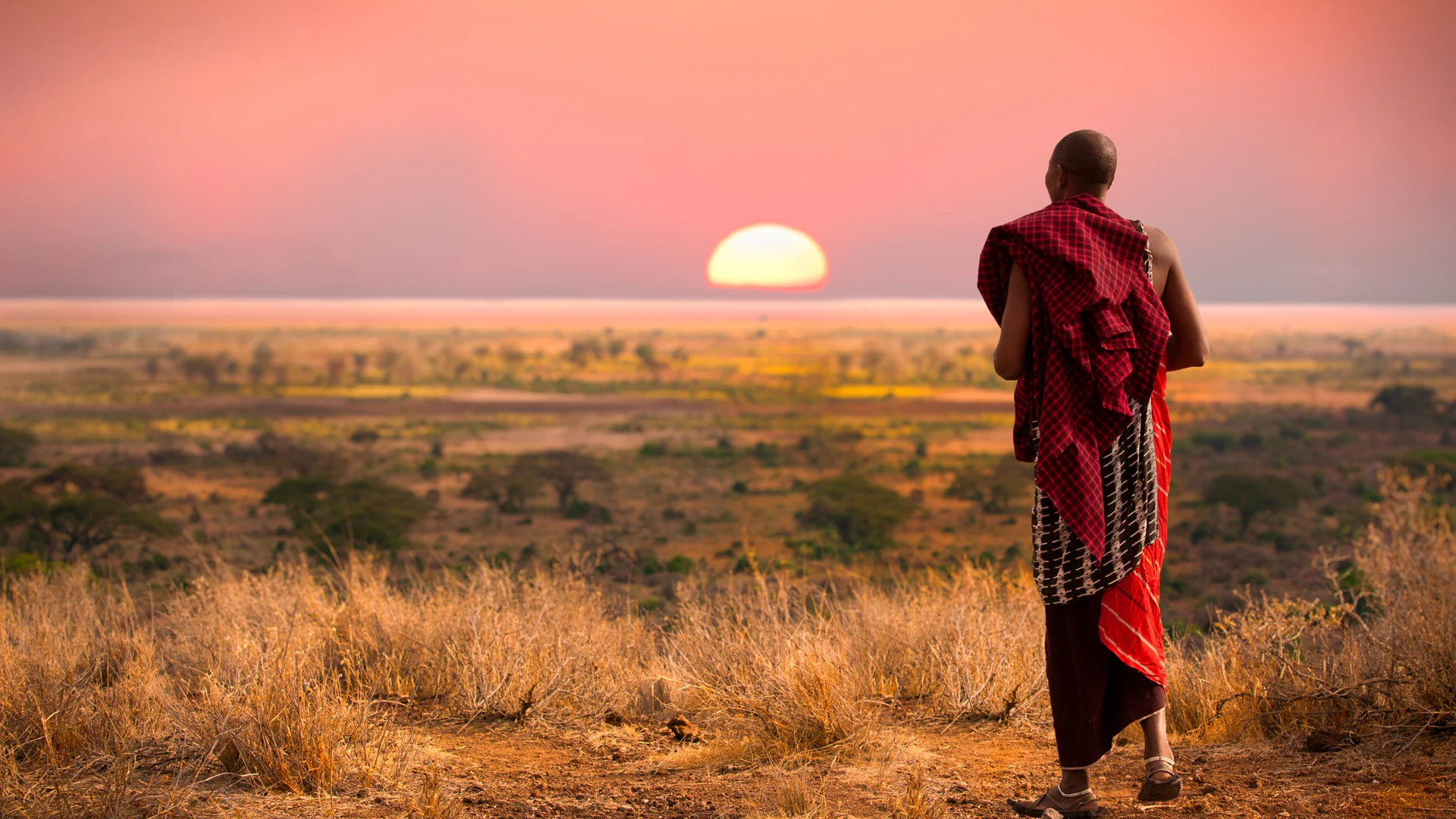
Private African safaris in Tanzania
Luxury Tanzania Safaris
The Serengeti and Ngorongoro, the wild south of Ruaha and Nyerere, and the remote west, privately guided and planned by our team.
Why Tanzania with Nova
The Serengeti, and So Much More
A luxury Tanzania safari can cover a remarkable range of wildlife areas, from the Serengeti plains to rivers and baobab country in the south and remote lakeside forests in the west. Getting the route right is what makes the journey.
We plan each Tanzania safari around the season and the people travelling: where the herds are likely to be in your month, which camps suit children or a honeymoon, and how to connect it all with light aircraft so you spend your time in the bush, not on the road. Our team looks after every booking and stays in touch until you are home.
Our promise
“Luxury travel, focused on eco-tourism and protecting Africa’s wildest regions and animals.”
In Tanzania that means choosing camps that respect the wilderness around them, and showing you quieter parks such as Ruaha, Nyerere and Katavi, where visitor fees and lodge revenue help keep vast areas protected.
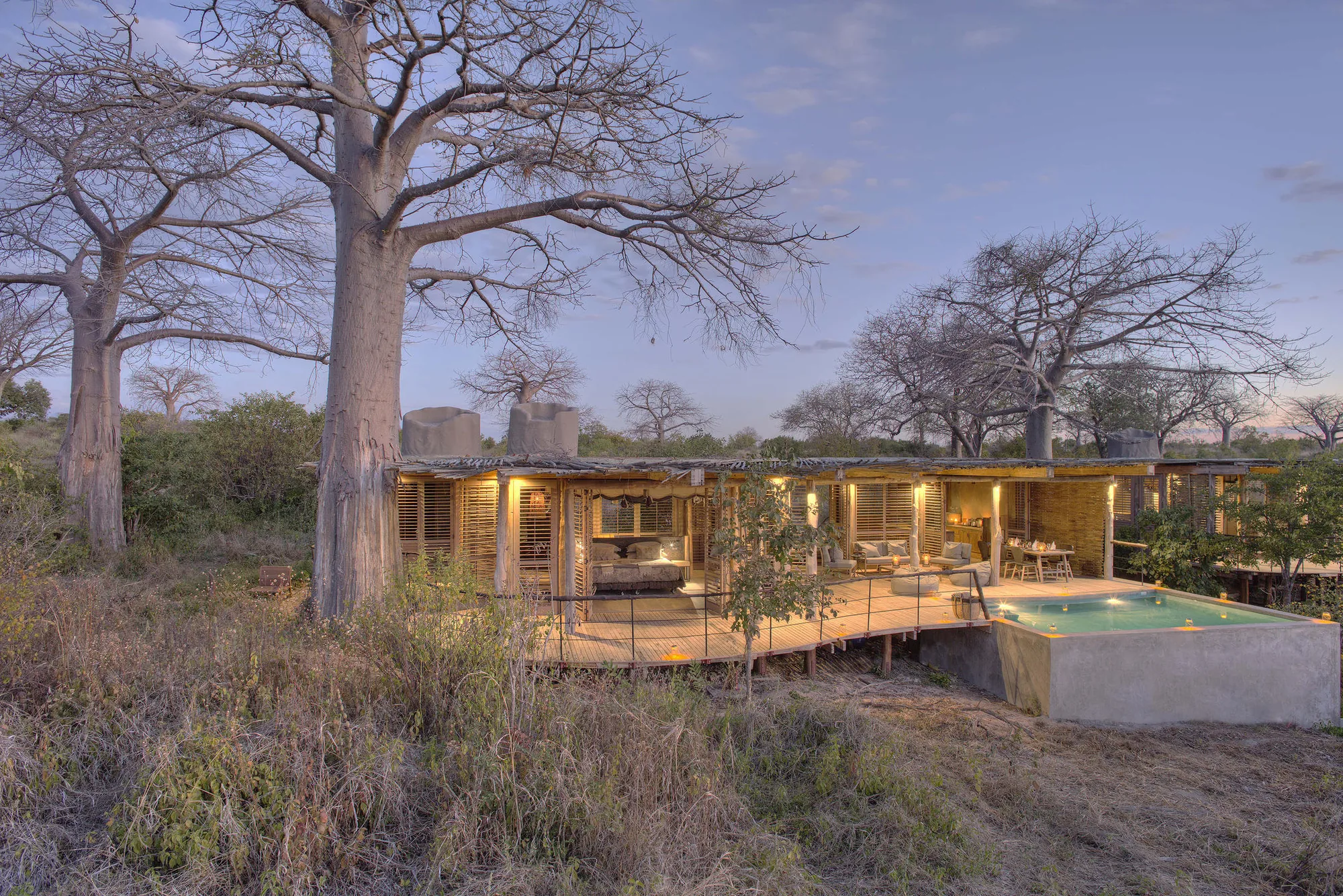
Getting there
Via Amsterdam, Istanbul, Doha, Dubai or Nairobi
Best time
June to October, and January to March
Ideal for
The migration, wild southern parks, beach extensions
Combine with
Kenya, Zanzibar or Rwanda
Where we go
Tanzania’s Safari Regions
From the famous northern circuit to parks few visitors ever reach. Most journeys combine two or three of these.
The migration all year
Serengeti
Plains where the herds move in a yearly circle: calving in the south around January to March, the western corridor around June, and the northern river crossings from about July to October.
Crater and highlands
Ngorongoro
A vast volcanic crater with a dense population of wildlife on its floor, including black rhino. The highlands around it add walks, Maasai culture and cool, misty mornings.
Baobabs and elephants
Tarangire
Ancient baobabs and large elephant herds, especially in the dry season from about July to October, when animals gather along the Tarangire River.
Forest and lake
Lake Manyara
A compact park below the Rift Valley escarpment, with groundwater forest, a soda lake that sometimes draws flamingos, and tree-climbing lions that are seen from time to time.
Big, wild and quiet
Ruaha
A huge, remote park with big lion prides, wild dogs, greater and lesser kudu and very few other vehicles. Walking safaris are a highlight.
Boats and walking
Nyerere (Selous)
Formerly part of the Selous Game Reserve. Boat safaris on the Rufiji River and its lakes, walking safaris and wild dogs, among palms and channels.
The remote west
Katavi and Mahale
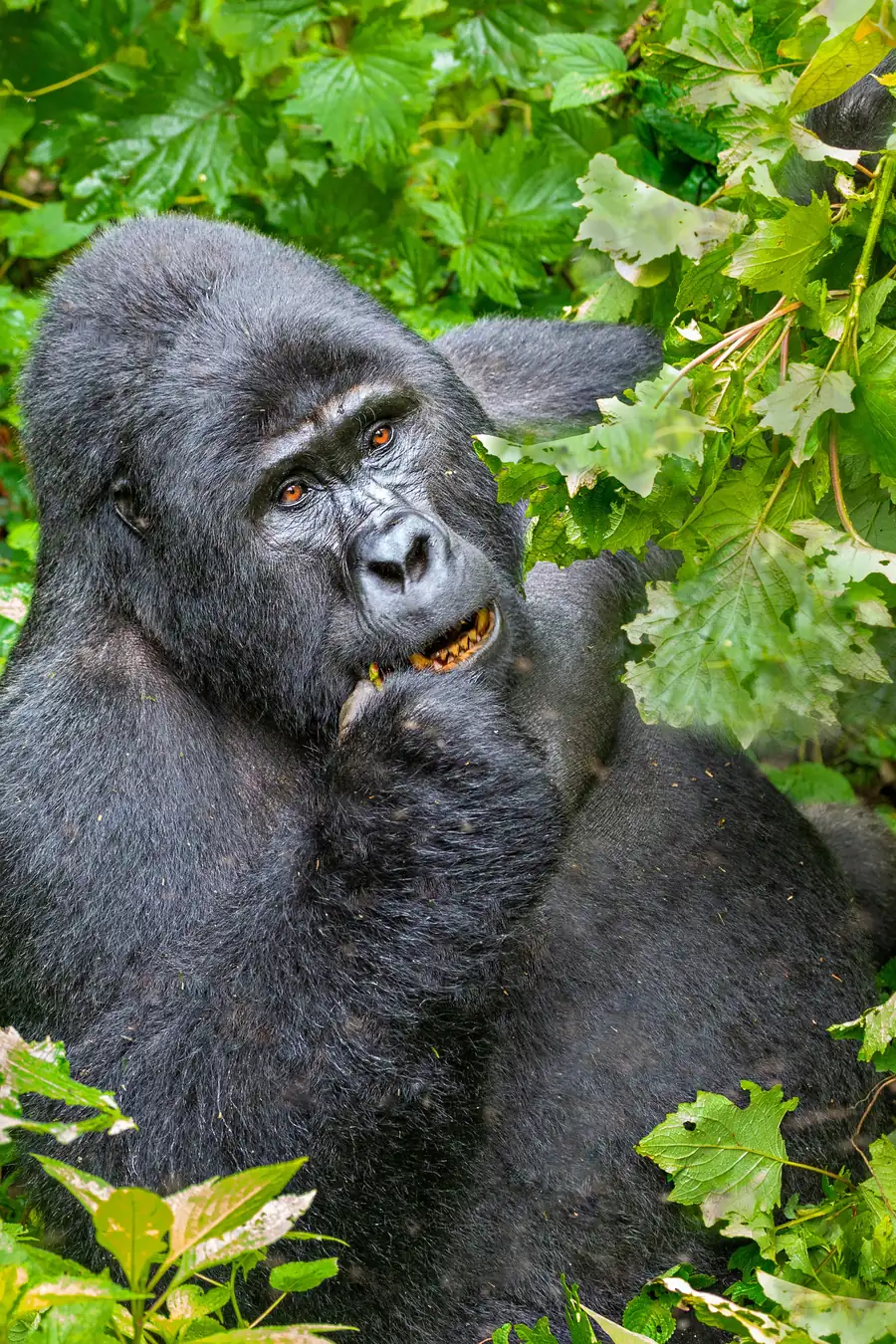
Fly-in only. Katavi’s floodplains draw large buffalo herds and hippos in the dry season, and in Mahale you can trek to see wild chimpanzees beside Lake Tanganyika.
Spice island beaches
Zanzibar
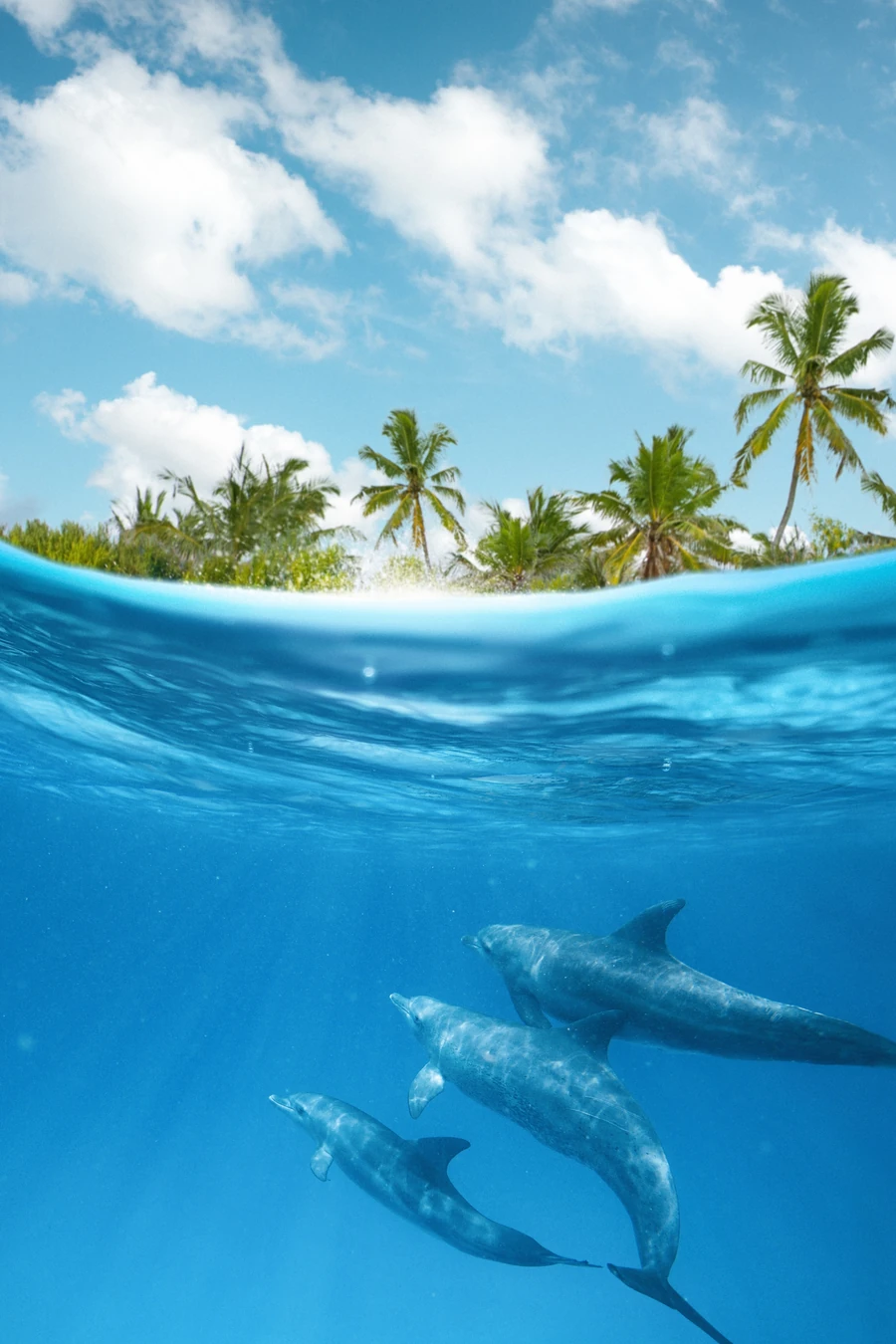
A short flight from the parks for white sand, Stone Town and warm Indian Ocean water.
Over the border
Kenya
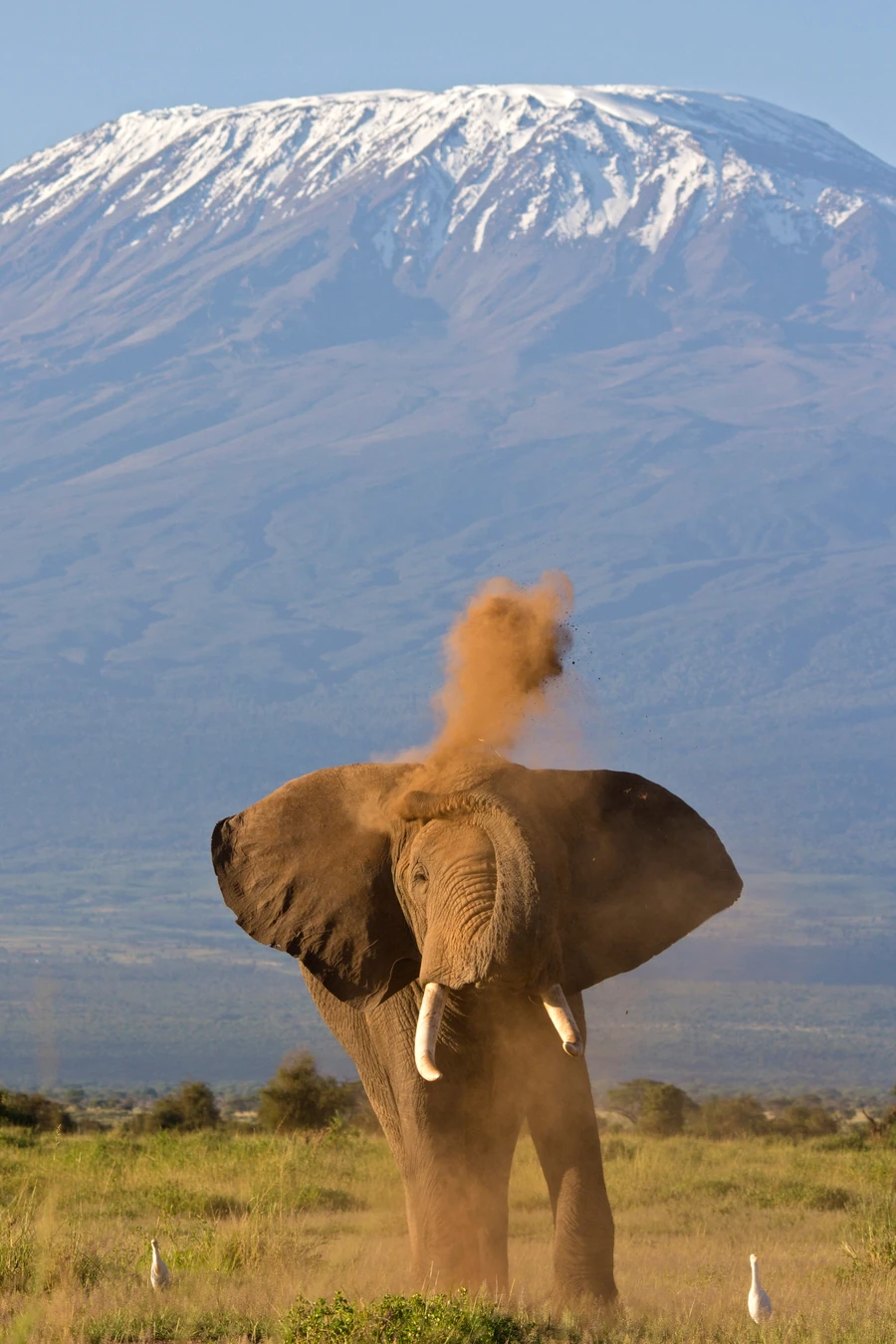
The Maasai Mara is the northern end of the Serengeti ecosystem, and the two combine easily.
When to go
Tanzania Month by Month
Each season suits different parks. This is the usual pattern, though the migration and the rains vary from year to year.
| Months | What to expect | Good for |
|---|---|---|
| January to March | A drier spell between the rains. Calving in the southern Serengeti, usually peaking around February. | Calving and predators in the south of the Serengeti, Ngorongoro |
| April to May | The long rains. Many southern and western camps close; some northern camps stay open at lower rates. | Green-season value on the northern circuit |
| June | The dry season begins. The herds are often in the western corridor. | Western Serengeti, Ruaha and Nyerere |
| July to October | Dry and clear. River crossings in the northern Serengeti, elephants gathering in Tarangire. | The migration, Ruaha, Nyerere, Katavi and Mahale |
| November to December | The short rains. The herds move south again. | A quieter northern circuit, and Zanzibar |
If you are travelling in the summer school holidays, whether from Europe, North America or the Gulf, July and August are prime time for the northern Serengeti and for the southern and western parks. Plan early for these months.
Getting there
Getting to Tanzania
Kilimanjaro, Dar es Salaam and Zanzibar have direct flights from Europe and the Gulf, and light aircraft link the parks.
From Europe
KLM flies nonstop from Amsterdam to Kilimanjaro and Dar es Salaam, in about nine hours, and Turkish Airlines from Istanbul to Kilimanjaro, Dar es Salaam and Zanzibar. Other European cities connect through these hubs.
From the USA and Canada
There are no nonstop flights from North America to Tanzania. Most guests connect through Amsterdam, Istanbul, Doha or Dubai, or via Nairobi.
From the Gulf
Emirates and Air Tanzania fly nonstop from Dubai to Dar es Salaam in about 5½ hours, and flydubai to Zanzibar. Qatar Airways flies from Doha to Dar es Salaam, and to Kilimanjaro in season.
Into the bush
Light aircraft link Arusha, Kilimanjaro and Dar es Salaam with airstrips across the Serengeti, Ruaha, Nyerere and the west. Flights between parks are often one to two hours.
Flight times are approximate and routes change, including seasonal and regional changes, so we confirm the current options when we plan your journey.
Experiences
Ways to Experience Tanzania
Every journey is built around what matters to you. Here are a few of the moments we plan around.
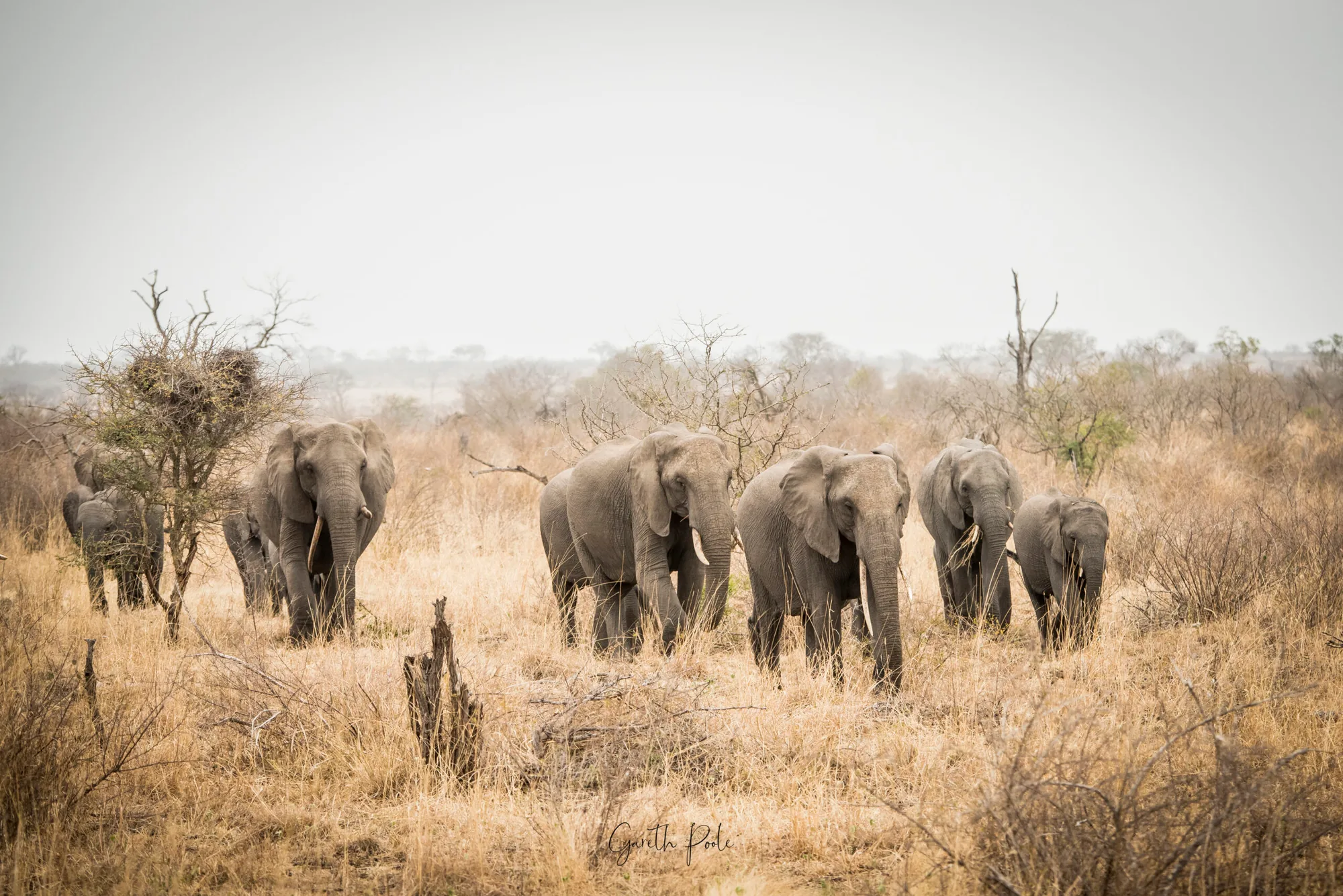
Serengeti
Following the Herds
Calving in the south early in the year, river crossings in the north later on. We place you in the right area for your dates.
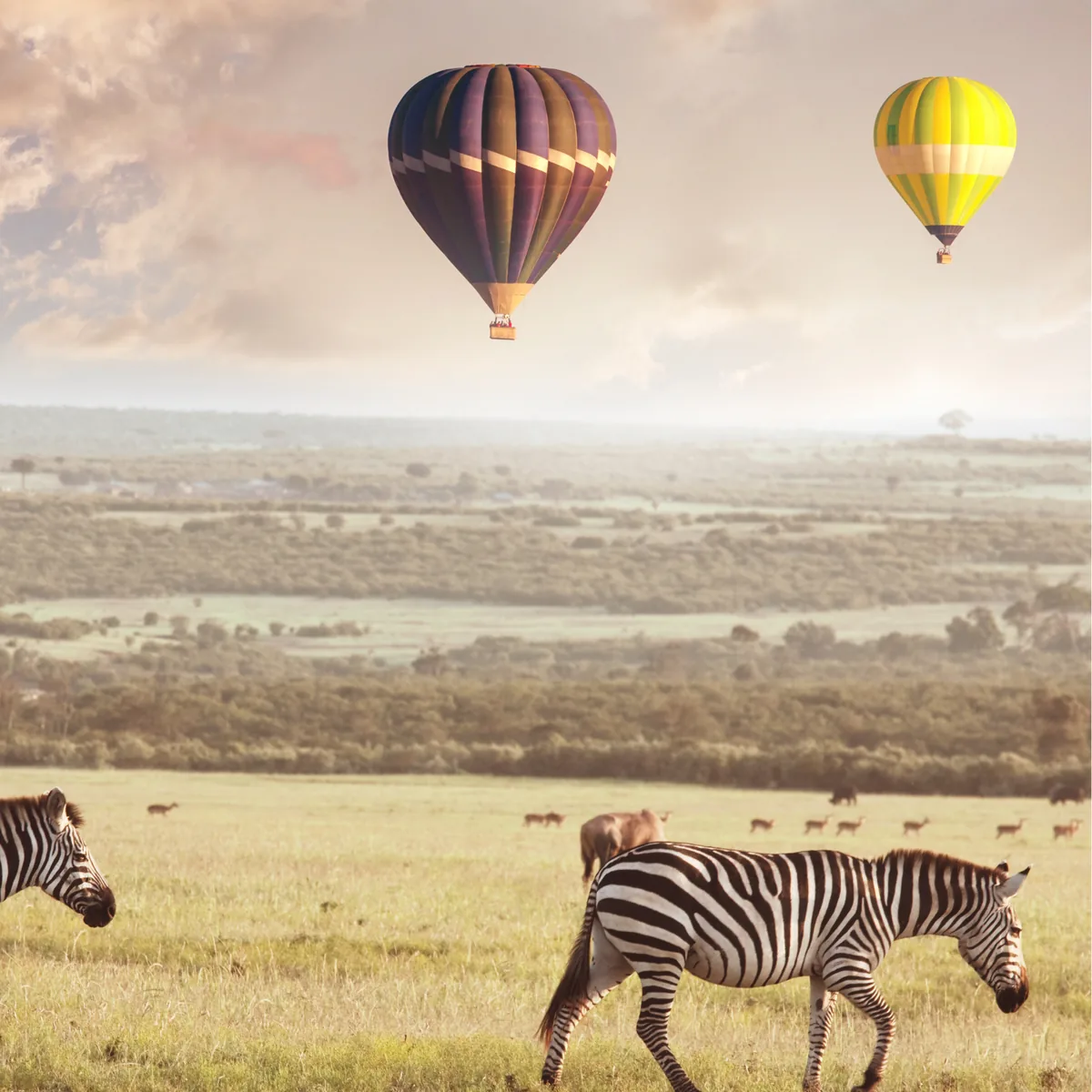
Central Serengeti
Balloon Over the Plains
Drift over the plains at sunrise, then land for breakfast in the bush.
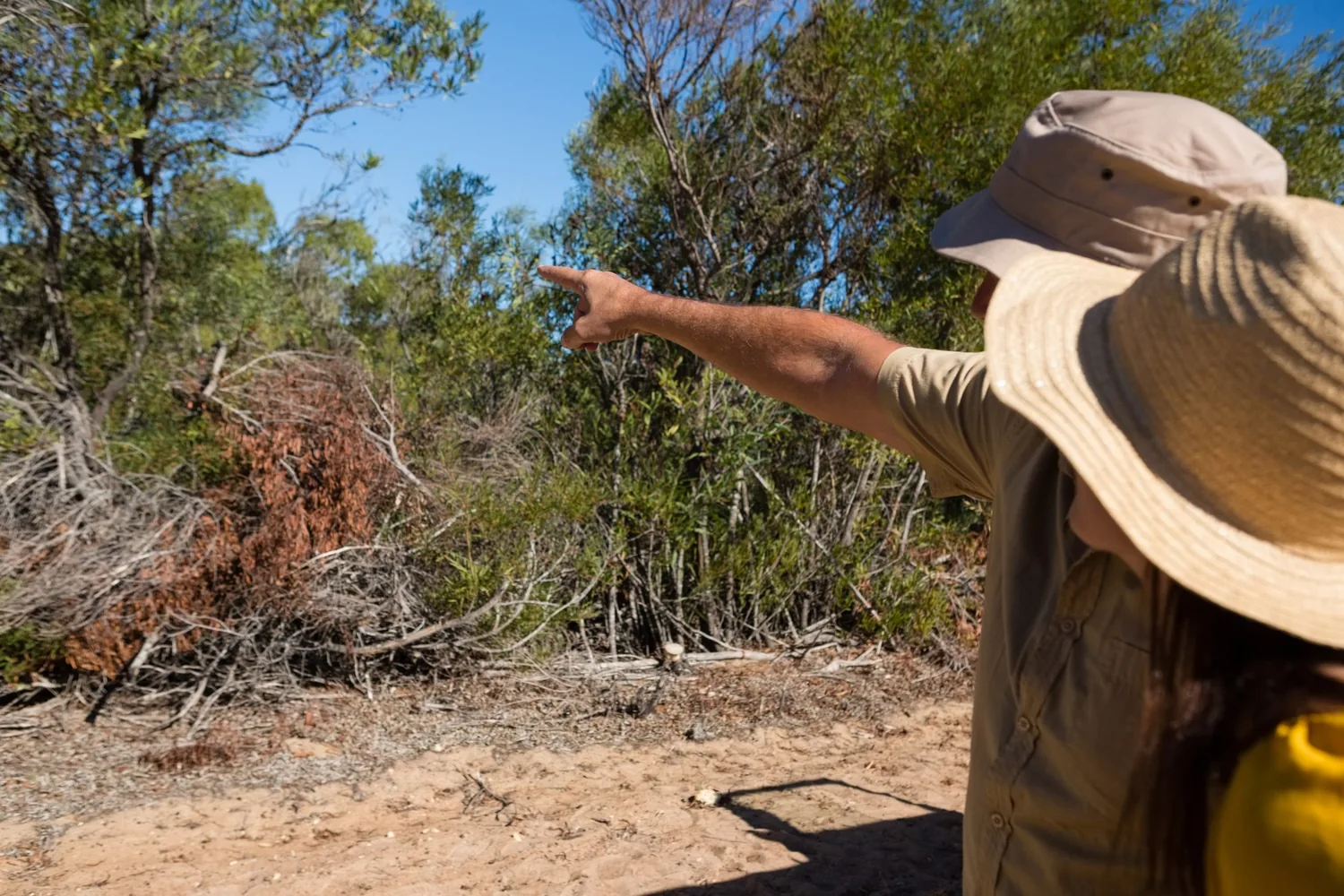
Ruaha and Nyerere
Walking and Boating
Explore on foot with an armed ranger and guide, or by boat along the Rufiji River.
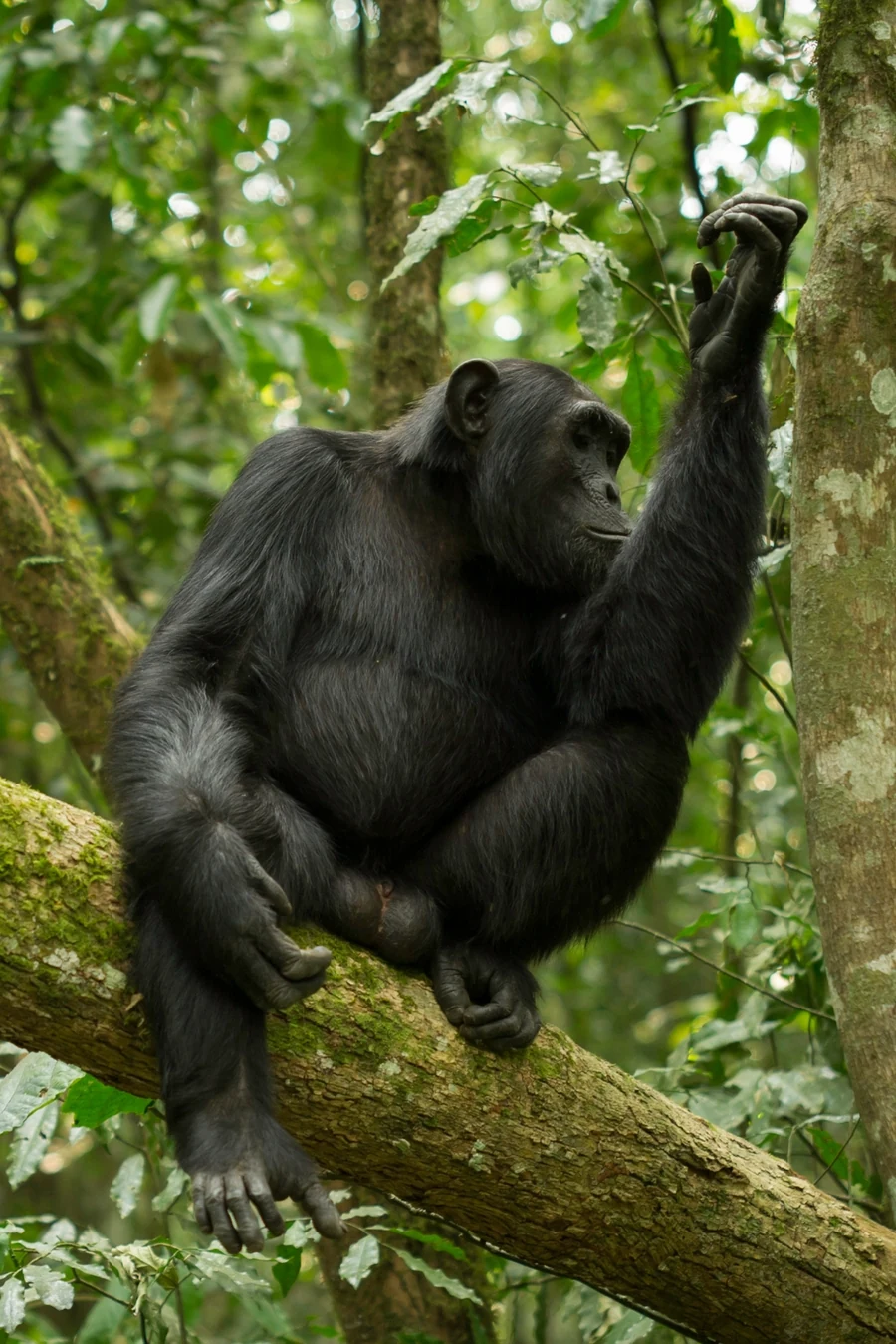
Mahale
Chimpanzee Trekking
Walk through the forest above Lake Tanganyika to find a habituated chimpanzee community.
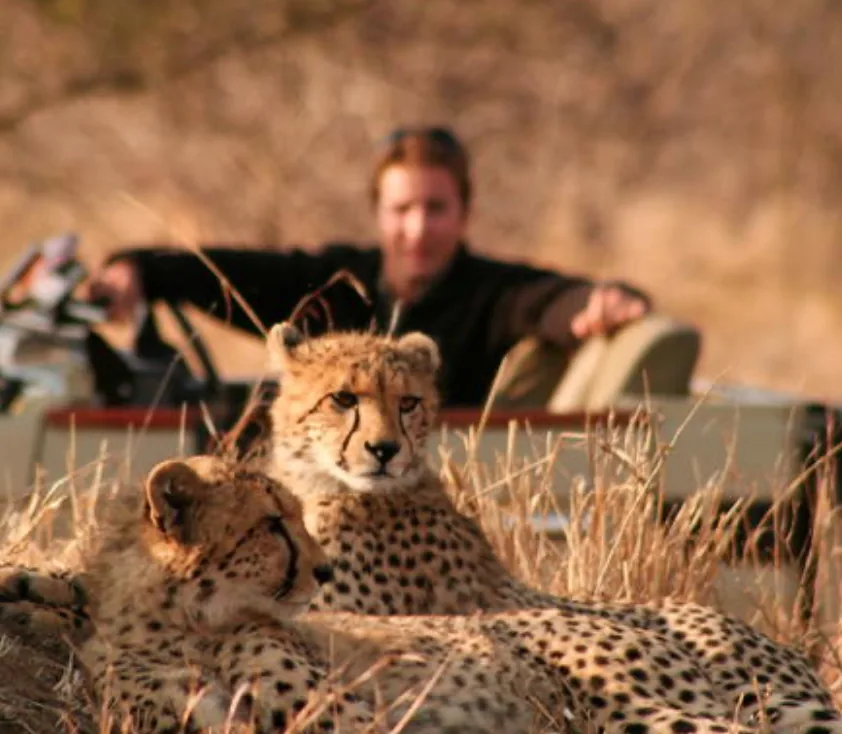
Honeymoons
Time for Two
Private suites and plunge pools, quiet dinners and a finish on Zanzibar’s beaches.
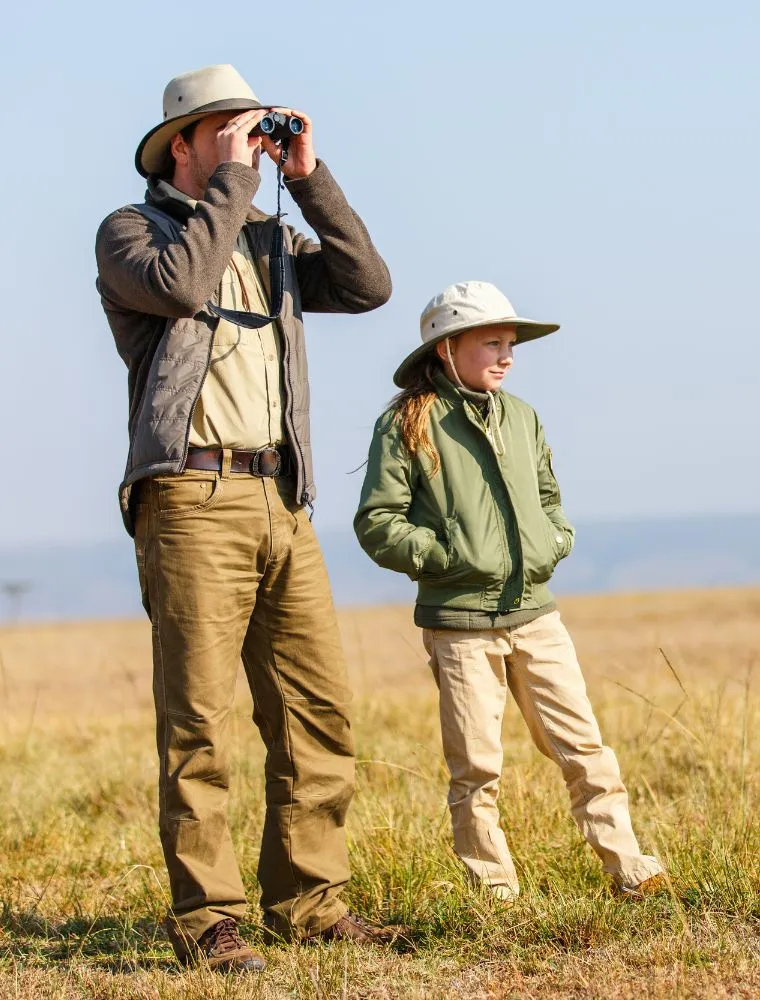
Families
Safari Together
Family rooms or houses, a private vehicle and flexible timings that suit younger travellers.
Sample journey
Nine Nights from the Highlands to the Serengeti
A starting point only. We change the parks, camps and pace to suit your dates, and add Zanzibar, Ruaha or Rwanda if you wish.
Day 1
Arrive in Kilimanjaro
Fly into Kilimanjaro, often via Amsterdam, Istanbul, Doha or Nairobi. We meet you on arrival for a quiet first night at a lodge near Arusha.
Days 2 to 4
Tarangire
Two nights in a tented camp among the baobabs, with elephants, game drives and, at some camps, guided walks.
Days 4 to 6
Ngorongoro Highlands
Two nights at a camp such as The Highlands, with a full day in the crater and walks on the forested rim.
Days 6 to 9
Serengeti
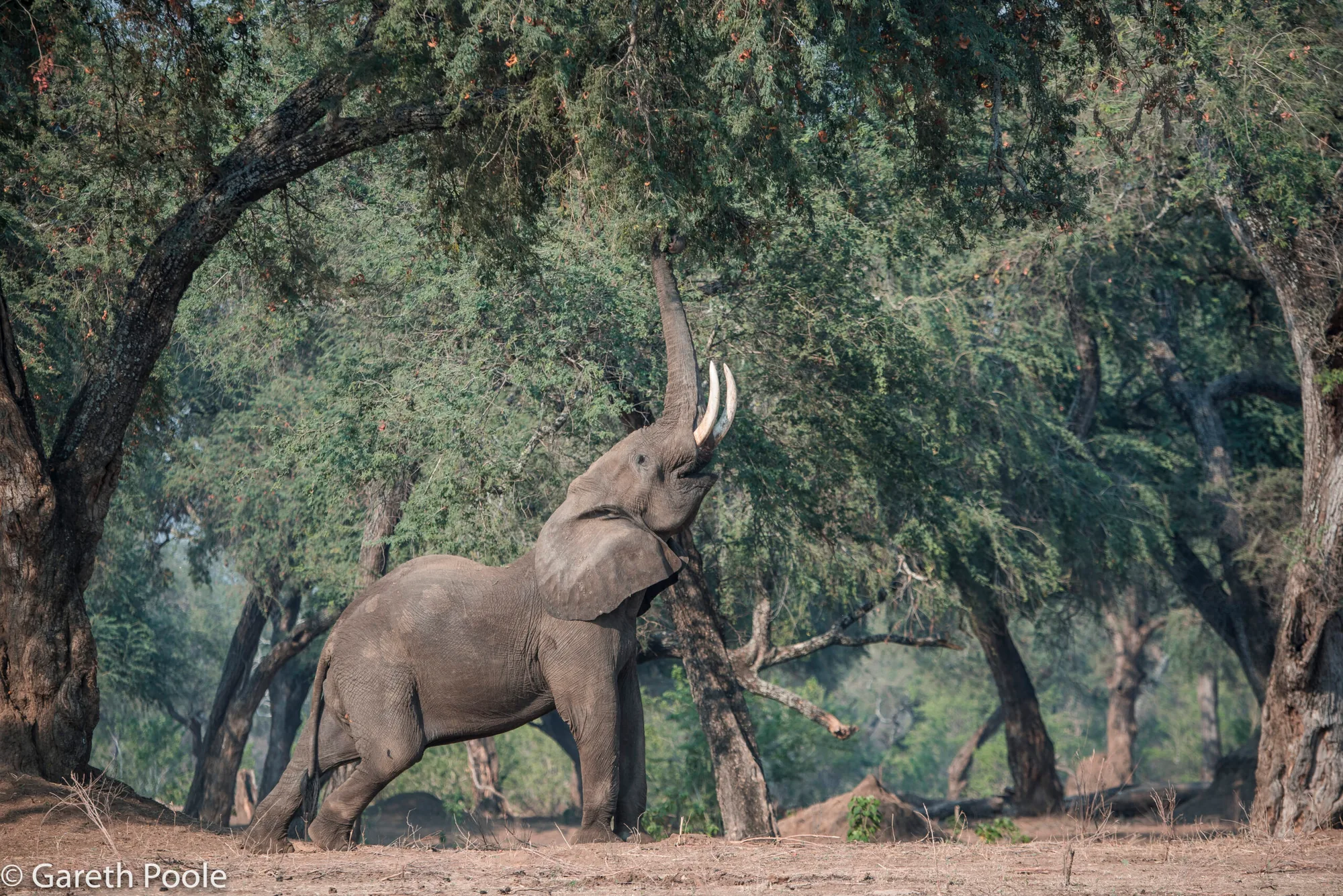
Three nights in the Serengeti, at a camp such as Namiri Plains in the east for big cats, or a seasonal migration camp placed for your dates.
Day 10
Home, or on to the beach
Fly back to Kilimanjaro to connect home, or continue to Zanzibar for a few nights at a beach hotel such as Kilindi or White Sands.
Good to know
Tanzania Safari FAQs
Do I need a visa for Tanzania?
At the time of writing, US, Canadian, UK and EU passport holders need a visa, best applied for in advance on the official eVisa site, visa.immigration.go.tz. US citizens are issued a multiple-entry visa. GCC citizens also need a visa, and Tanzania lists visa on arrival for several nationalities, including the UAE and Saudi Arabia. One visa covers both mainland Tanzania and Zanzibar.
Zanzibar also requires its own inbound travel insurance. What counts is the passport you travel on, not where you live. Rules and fees change, so please check the current requirements before you travel.
When is the best time for a Tanzania safari?
June to October is the main dry season, good for almost every park and for river crossings in the northern Serengeti. January to March is calving season in the southern Serengeti. April and May are the long rains, when many southern and western camps close.
Is Tanzania safe for a safari?
Tanzania’s national parks welcome many international visitors each year. On a Nova journey you are met on arrival, guided throughout and flown between parks where it makes sense. We follow current government travel advice, such as that from the US State Department, the UK Foreign Office and the UAE Ministry of Foreign Affairs, and plan routes accordingly.
Do I need malaria tablets or vaccinations?
Most of Tanzania’s safari areas and Zanzibar are in malaria zones, so speak to a doctor or travel clinic about prevention. Check the yellow fever certificate rules for your route too, especially if you are flying in through Nairobi or combining Tanzania with Kenya.
How much does a luxury Tanzania safari cost?
It depends on the season, the camps, the number of light aircraft flights and whether you want a private vehicle and guide. Peak months and remote fly-in parks cost more; the green season can offer good value. Share your budget with us and we will show you what it can do.
Is Tanzania good for a family safari?
Yes. The northern parks are easy to combine, many camps have family tents or private houses, and Zanzibar makes a relaxing end. Some camps set minimum ages for walking or game drives, so we choose camps to suit your children’s ages.
Combine Tanzania with
More of East Africa
Start planning
Let’s Design Your Tanzania Safari
Tell us when you would like to travel, who is coming and what you hope to see, and we will design a Tanzania safari around you. Our team works across Dubai, the United States and South Africa, planning journeys for travellers from around the world.
Prefer email? info@novasafaris.com